Research Project 2026–2027
01Airbus
Explainable AI interface for AI-assisted helicopter landing.


Vinland
Chubina (Slowed) · East Duo
Research Project 2026–2027
01Explainable AI interface for AI-assisted helicopter landing.
In-Car Application 2026
02Served as UX Lead for an international in-car application.
Allvest & Allianz products 2025–2026
03UX/UI design for an upcoming international go-live, including user research, usability testing and the design system.
 Completed
Peer-reviewed paper 2026
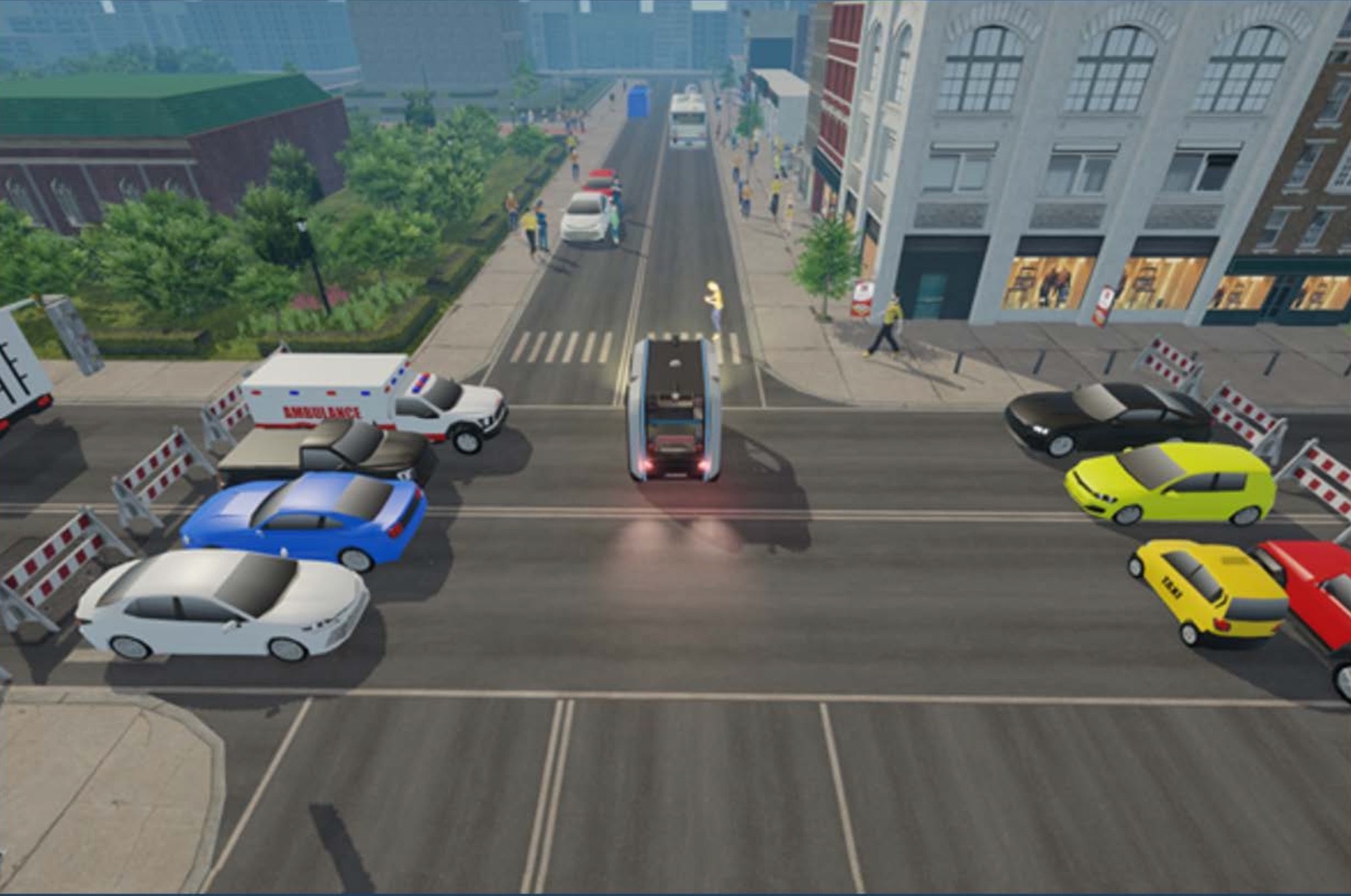
04Enhancing Teleoperation Performance for Automated Vehicles Through Bird’s-Eye View Augmentation
 Completed
TH Ingolstadt 2025
05Mobility app that makes autonomous shuttles in public transport transparent, with an explainable AI assistant.
 Completed
THI × QUT, Linköping & York 2024
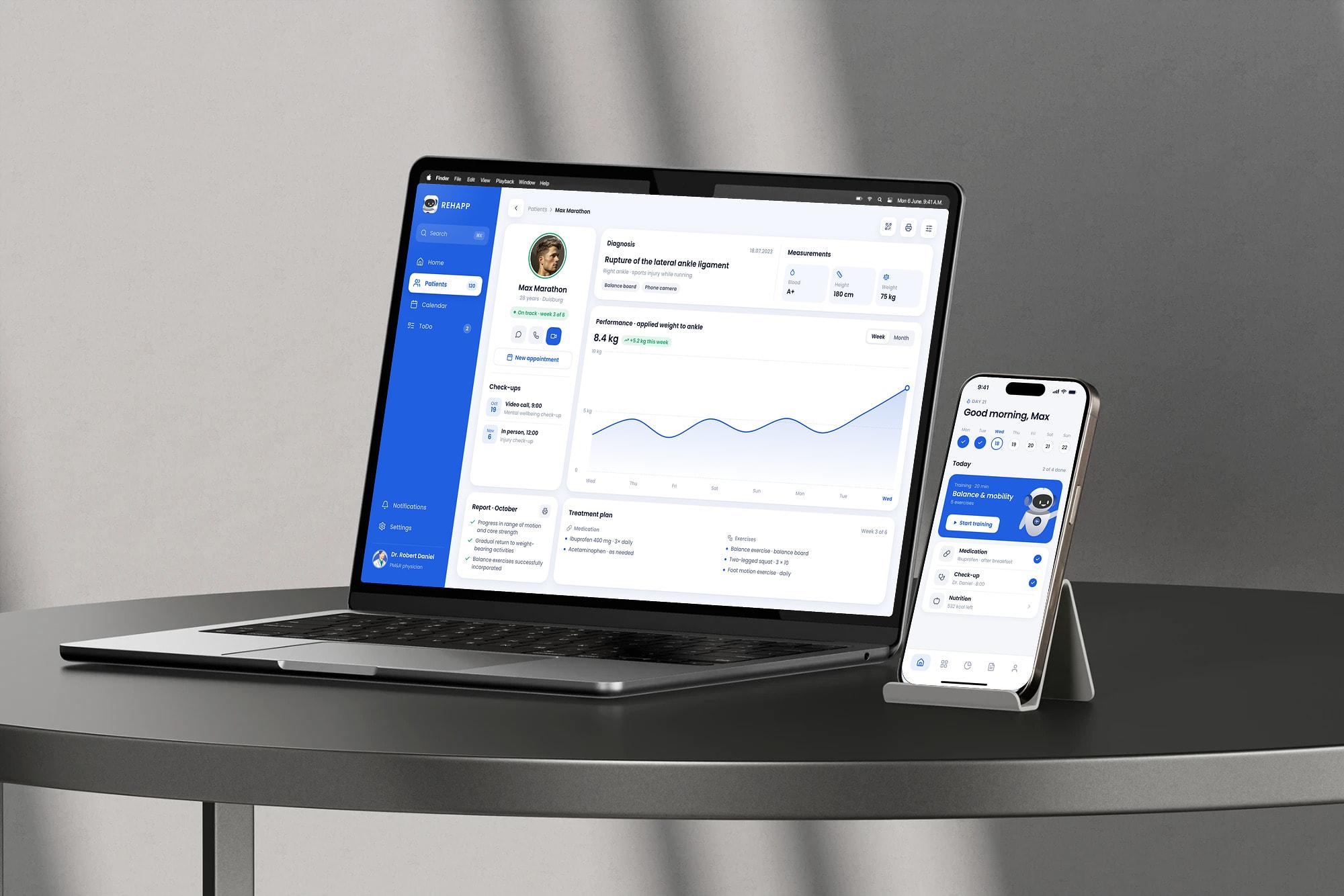
06Remote rehabilitation for amateur athletes and their doctors, supported by a smart training gadget.
I’m a UX/UI designer passionate about shaping the future.
Currently pursuing my M.Sc. in User Experience Design at Technische Hochschule Ingolstadt. Having spent an exchange semester at Hanyang University in South Korea, I love exploring different perspectives and cultures – a curiosity that directly shapes how I approach complex problem-solving and emerging technologies like AI.
Outside of research and design, you’ll usually find me on the padel court, traveling, or diving into new challenges—whether that’s boxing or experimenting with new recipes in the kitchen.
Suggested answers are written by me. Live answers are generated by AI (Claude) from the facts on this site; your question is sent to Anthropic for that and isn’t stored here.
UX design for autonomous shuttles in public transport
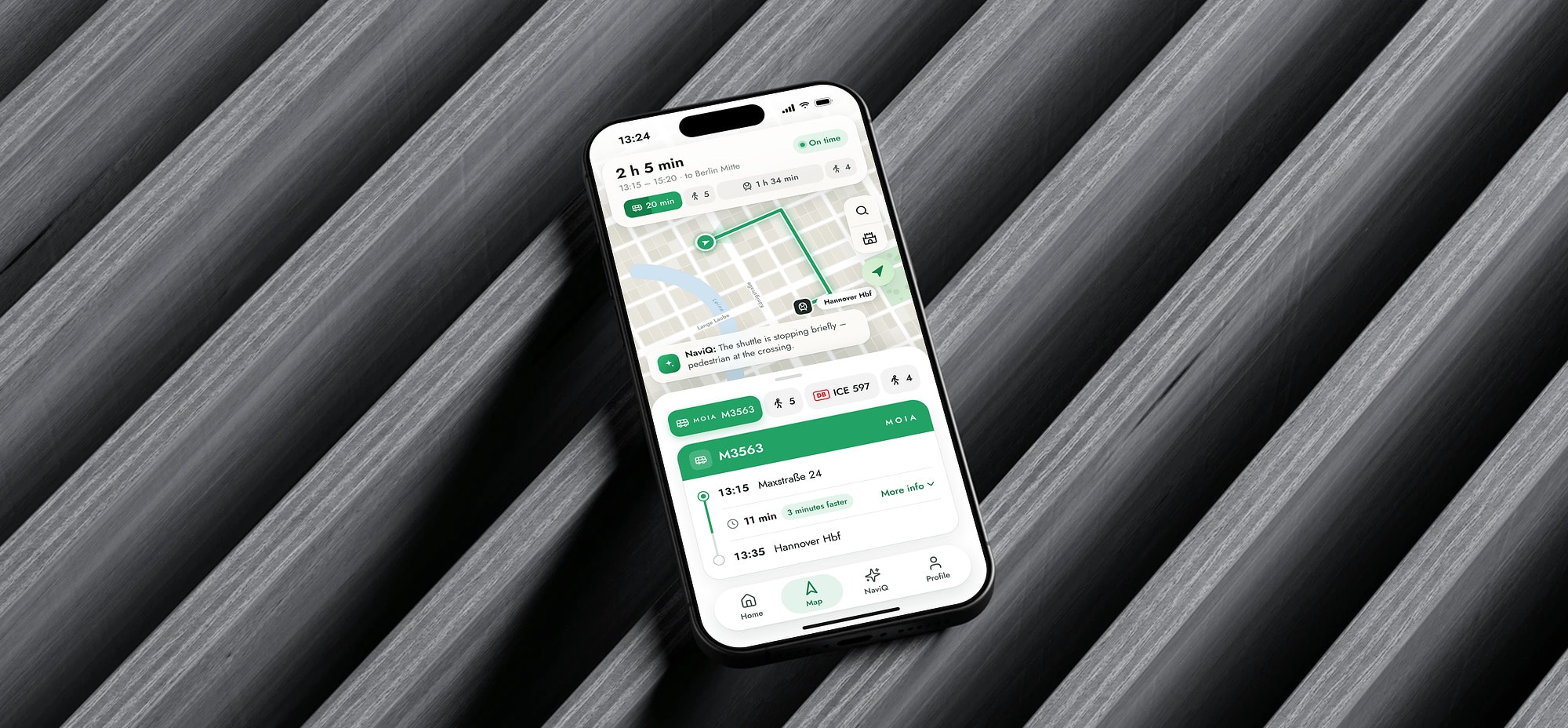
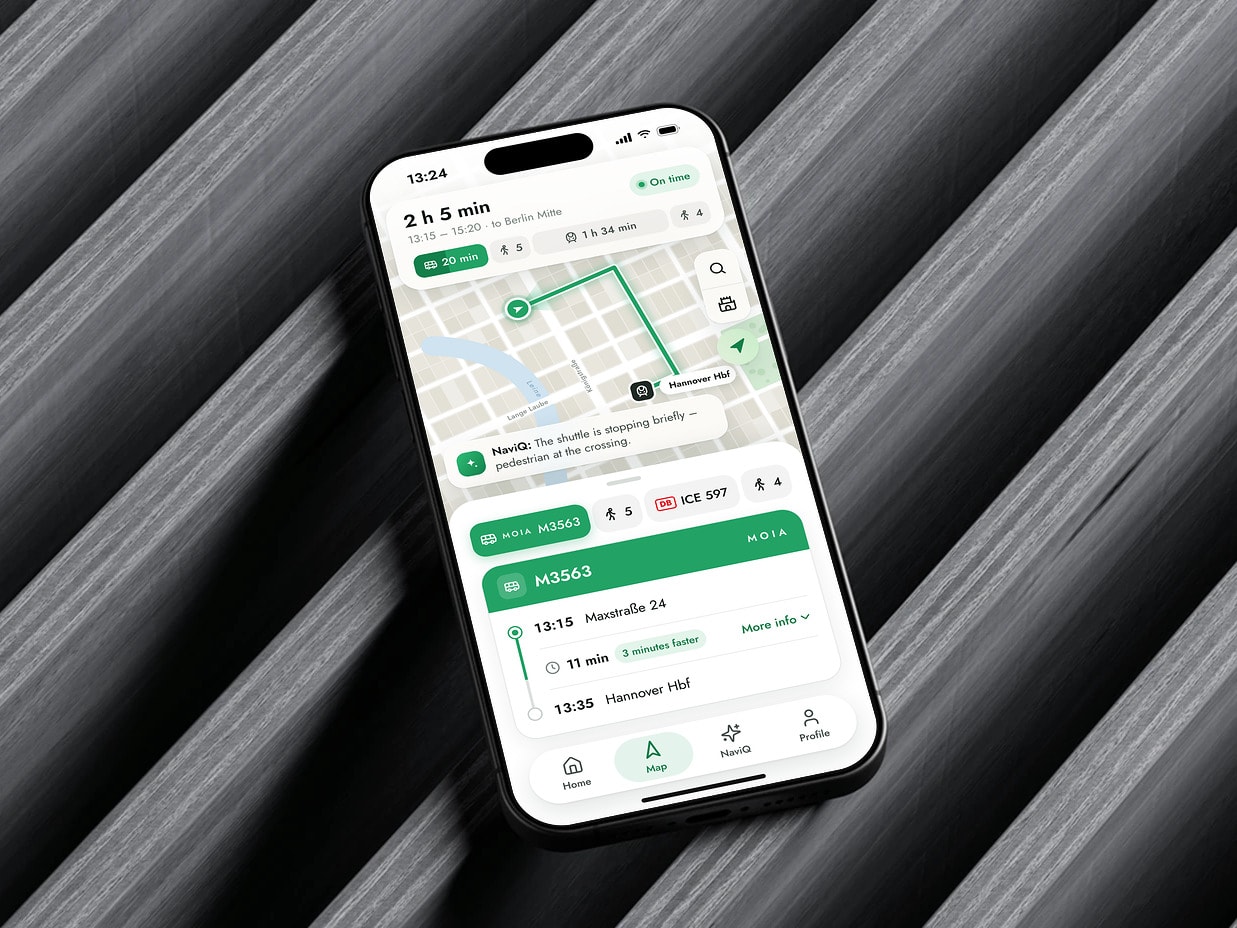
Navira is a mobility app that brings autonomous shuttles and public transport together in one journey, from booking to arrival, with an AI assistant that explains what the shuttle is doing.
In a university project at TH Ingolstadt, two fellow students and I designed the app from research to an interactive prototype, with a special focus on making autonomous shuttles easy to understand and trust.
The behaviour of autonomous shuttles is often perceived as opaque, which leads to low trust. At the same time, there is a lack of clear information during disruptions, reliable connections and intuitive orientation, especially on intermodal journeys that combine shuttle and train.
On top of that, there is little flexibility to respond to spontaneous changes or individual needs.
With Navira, we developed a mobility app that responds directly to these challenges and brings all key functions together in one place, from booking to arrival.
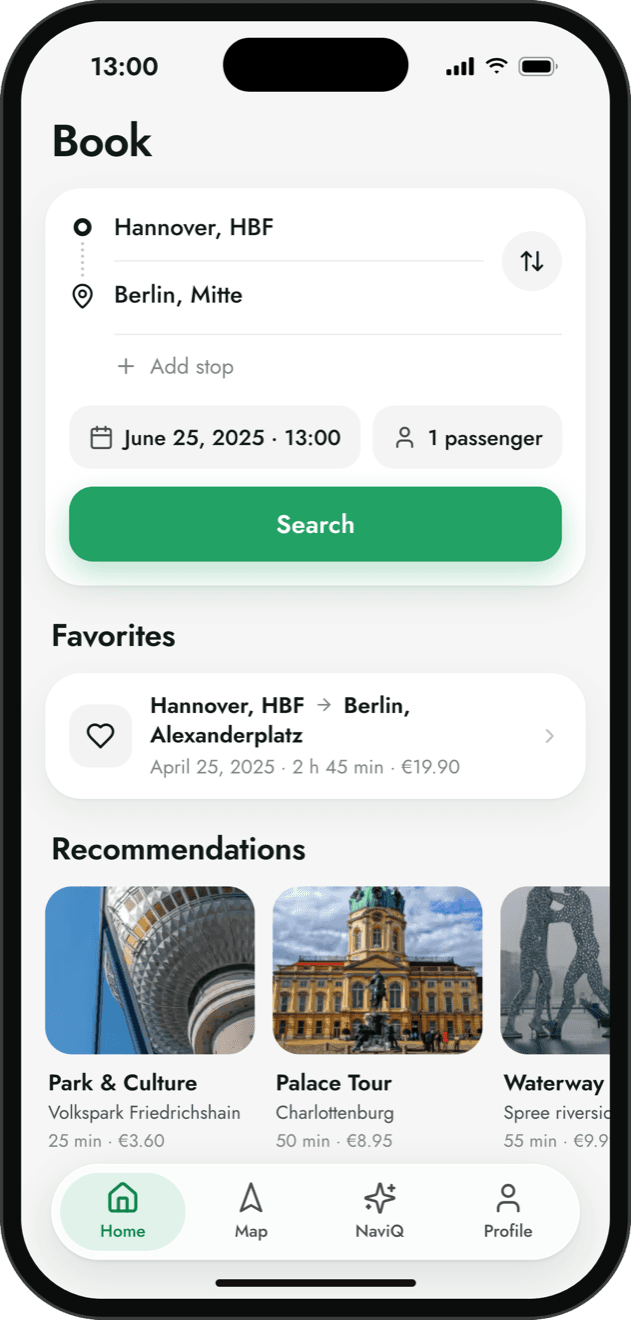
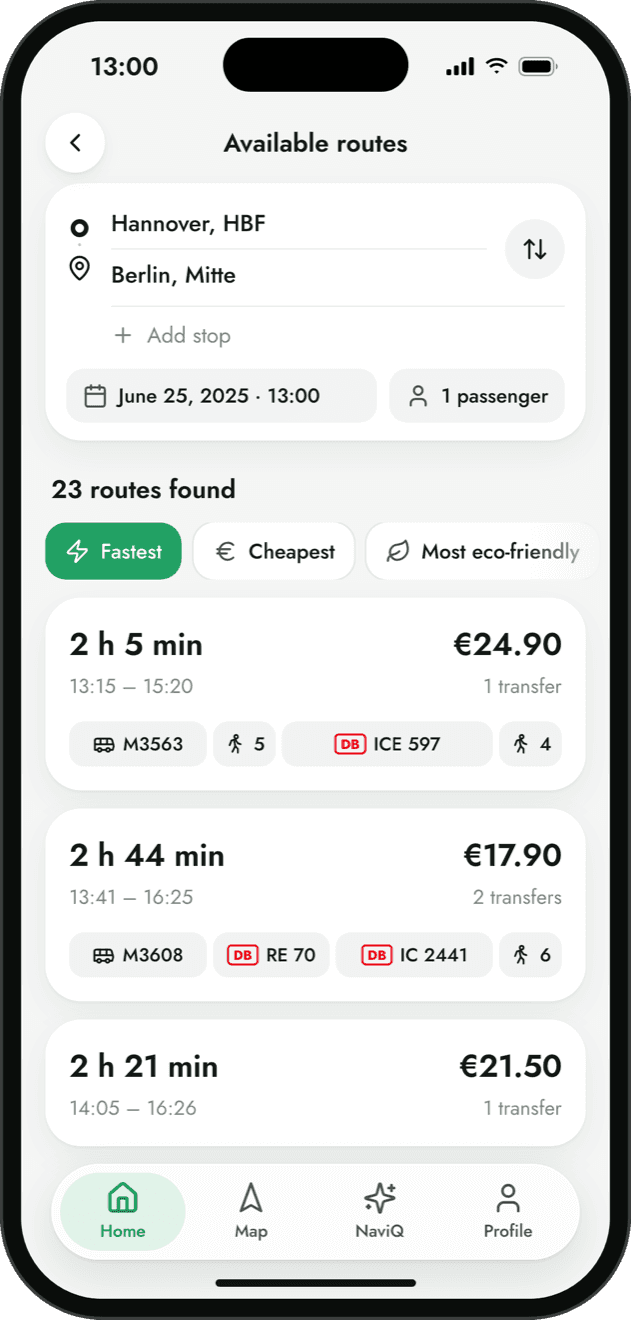
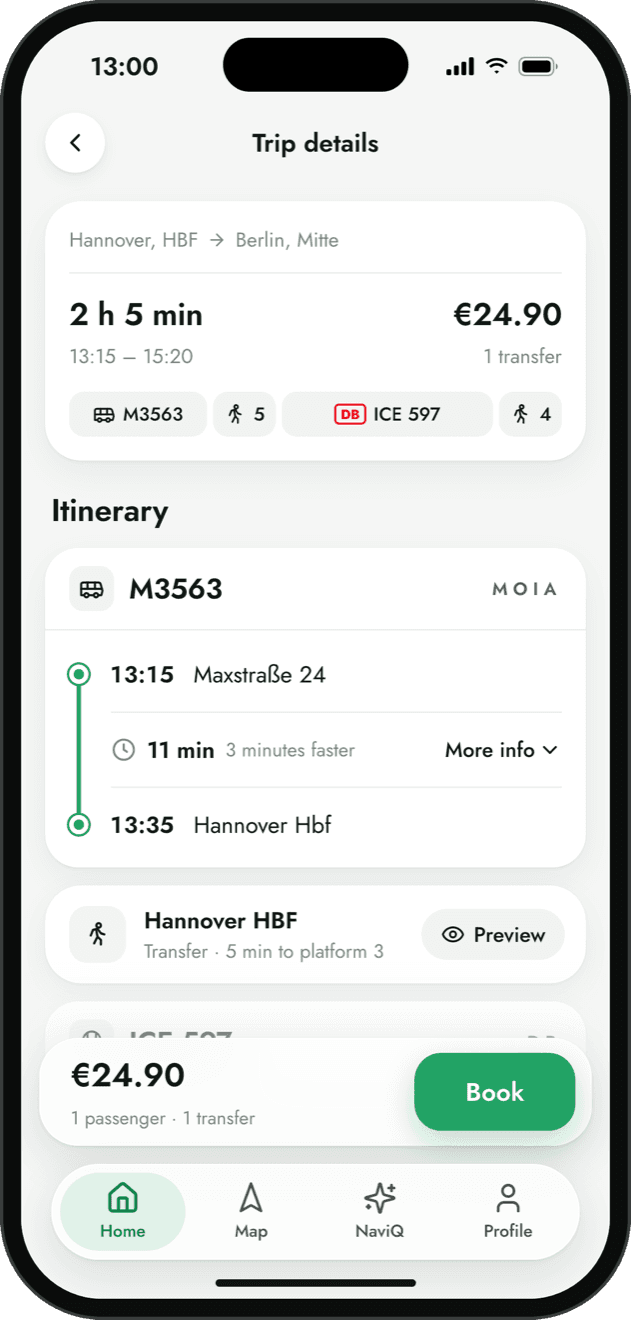
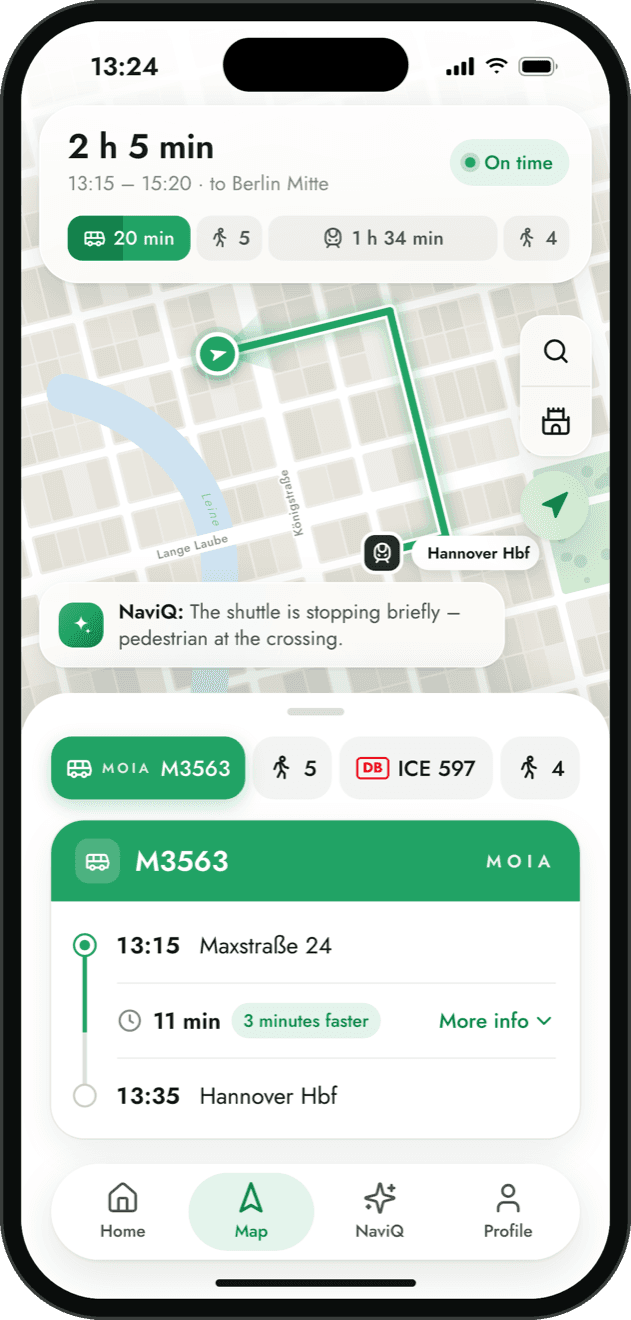
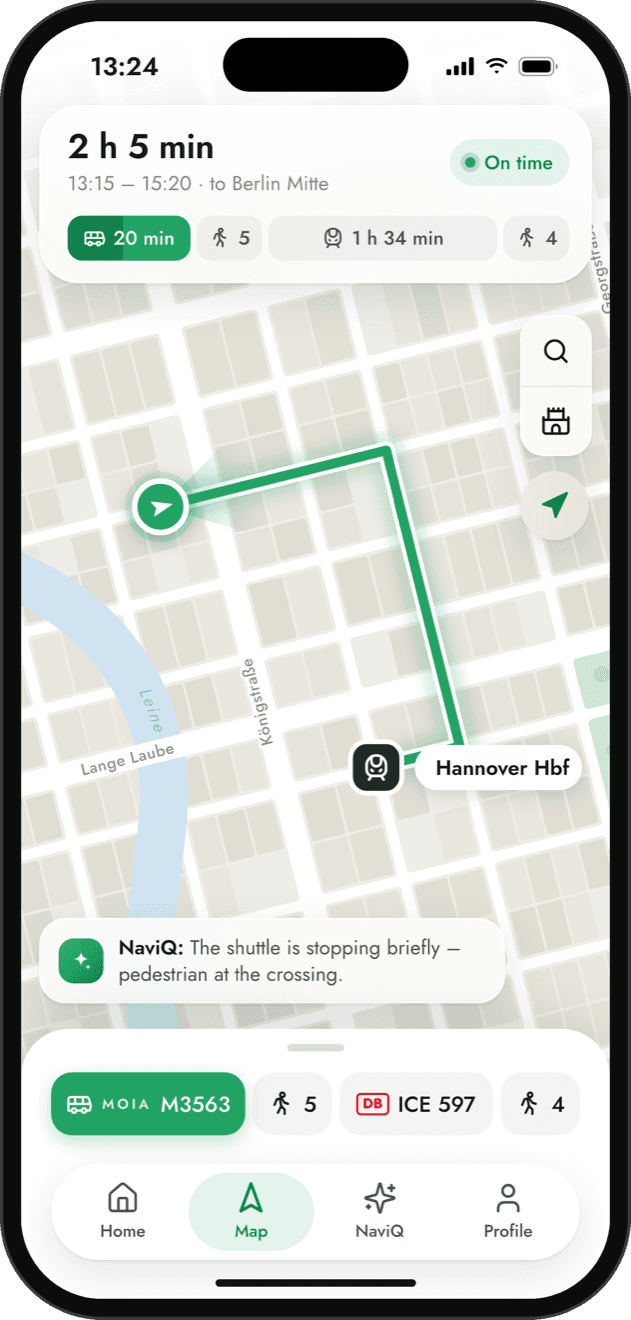
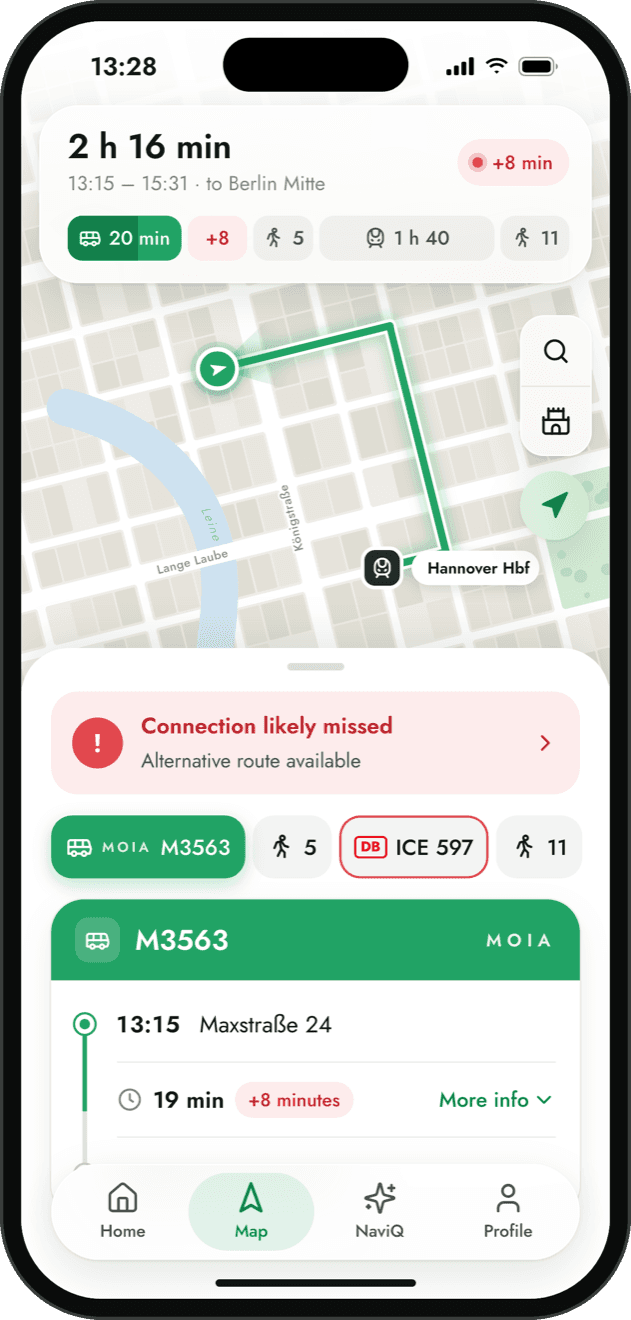
The app shows the current journey in real time, including transfers, travel times and the position on the map.
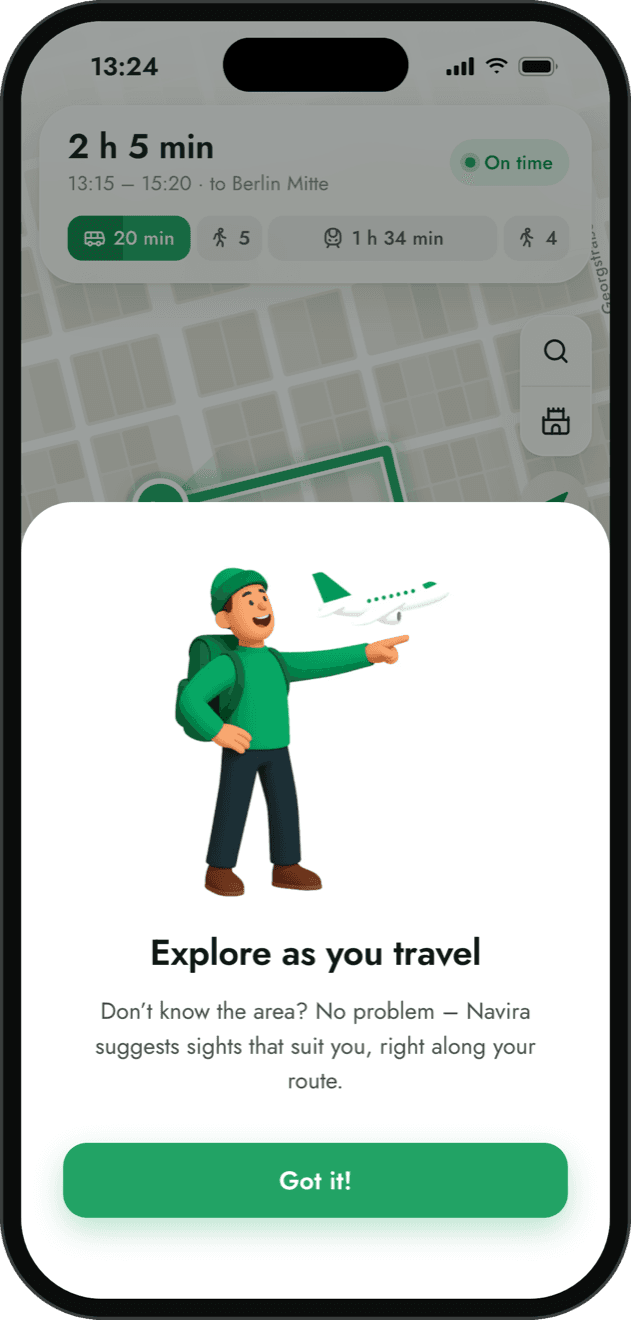
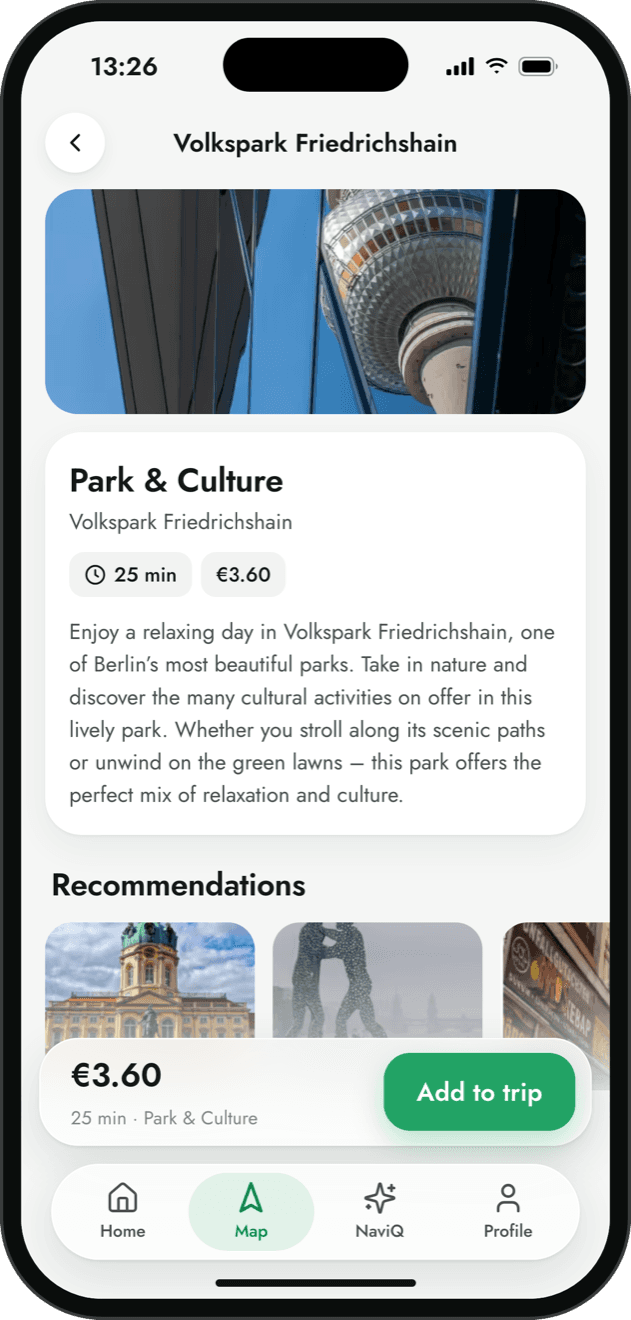
Sights along the route are suggested automatically and can be added to the trip in a tap, for spontaneous stops without detours.
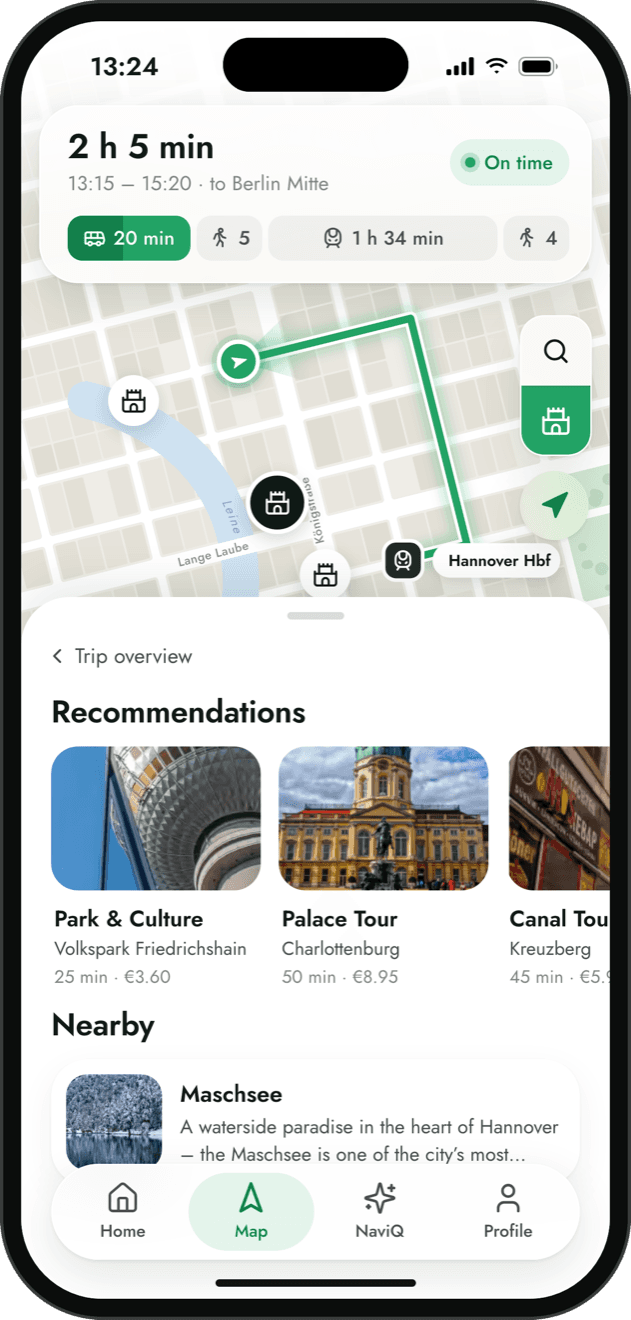
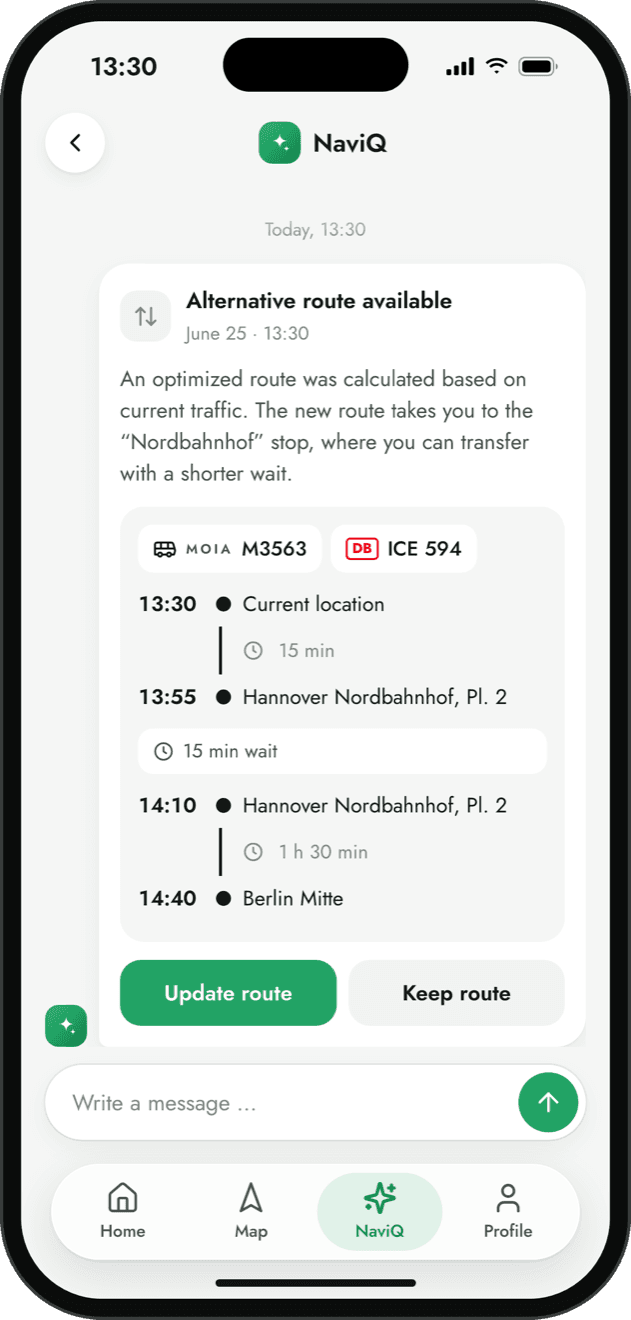
With NaviQ, passengers can ask specific questions, for example about the remaining travel time, the next transfer or general procedures. The AI-powered assistant gives clear answers, thinks ahead and helps keep track of even complex travel situations.
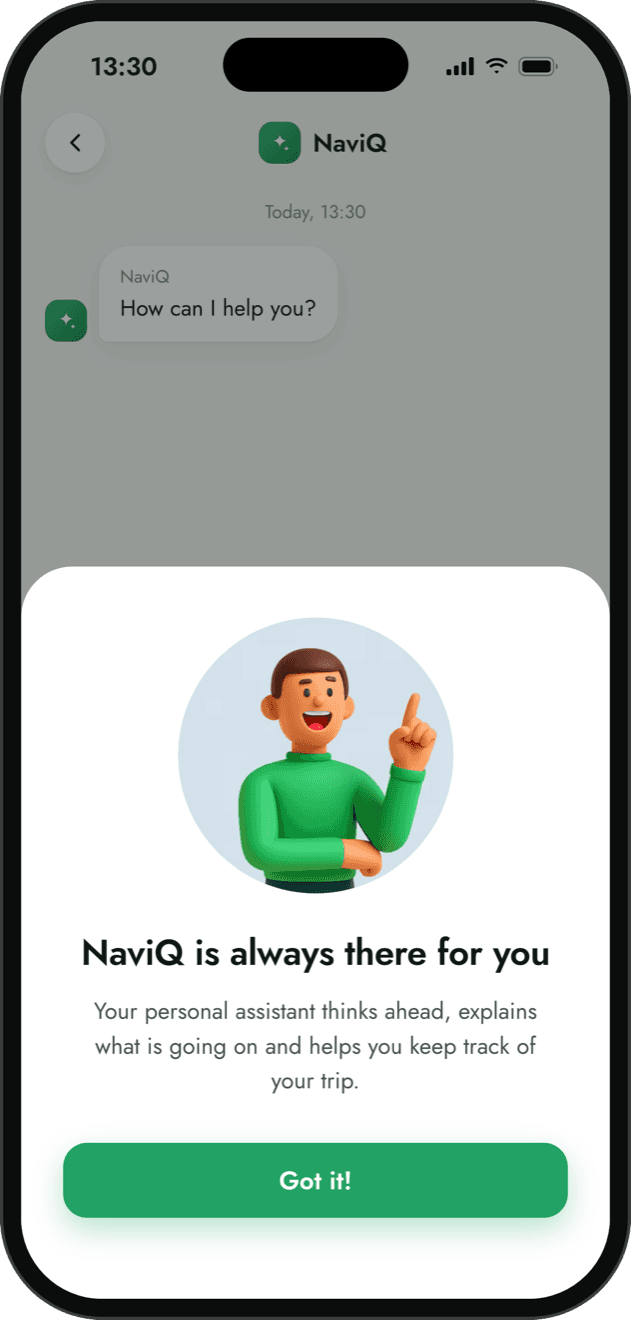
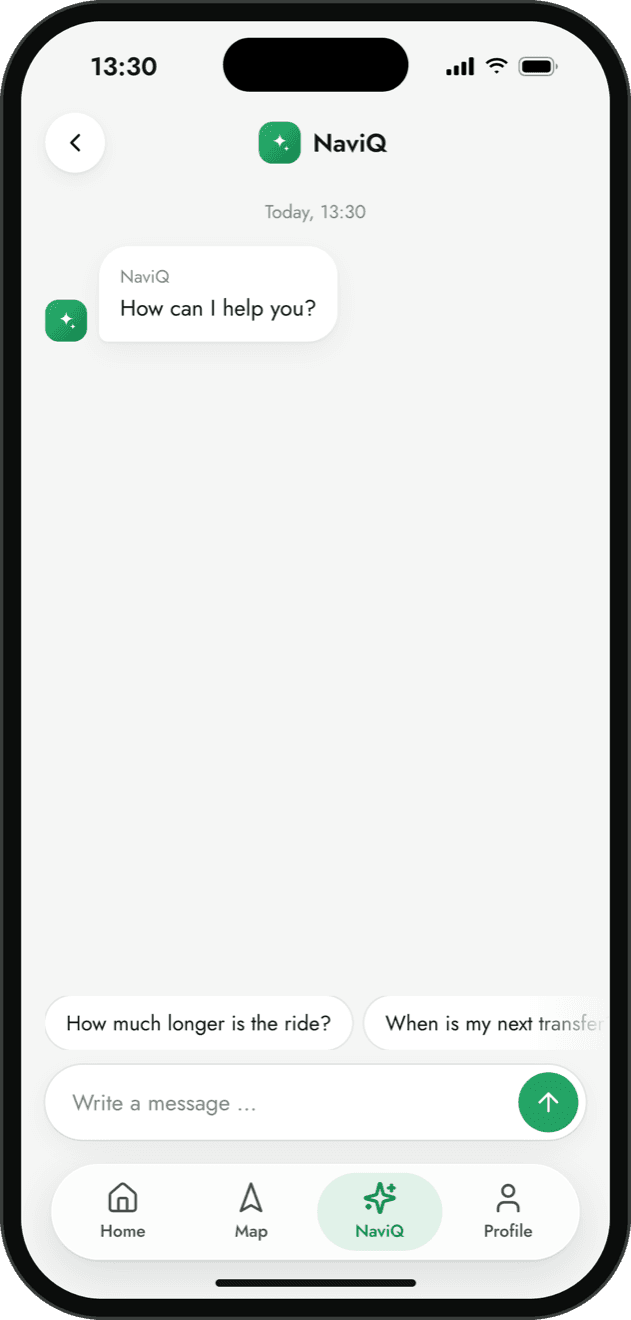
NaviQ explains the behaviour of the autonomous shuttle, such as sudden braking or route changes, right in the conversation. If a connection is at risk, it suggests alternative routes with shorter waiting times early on.
This creates transparency, builds trust and supports passengers in dynamic situations.
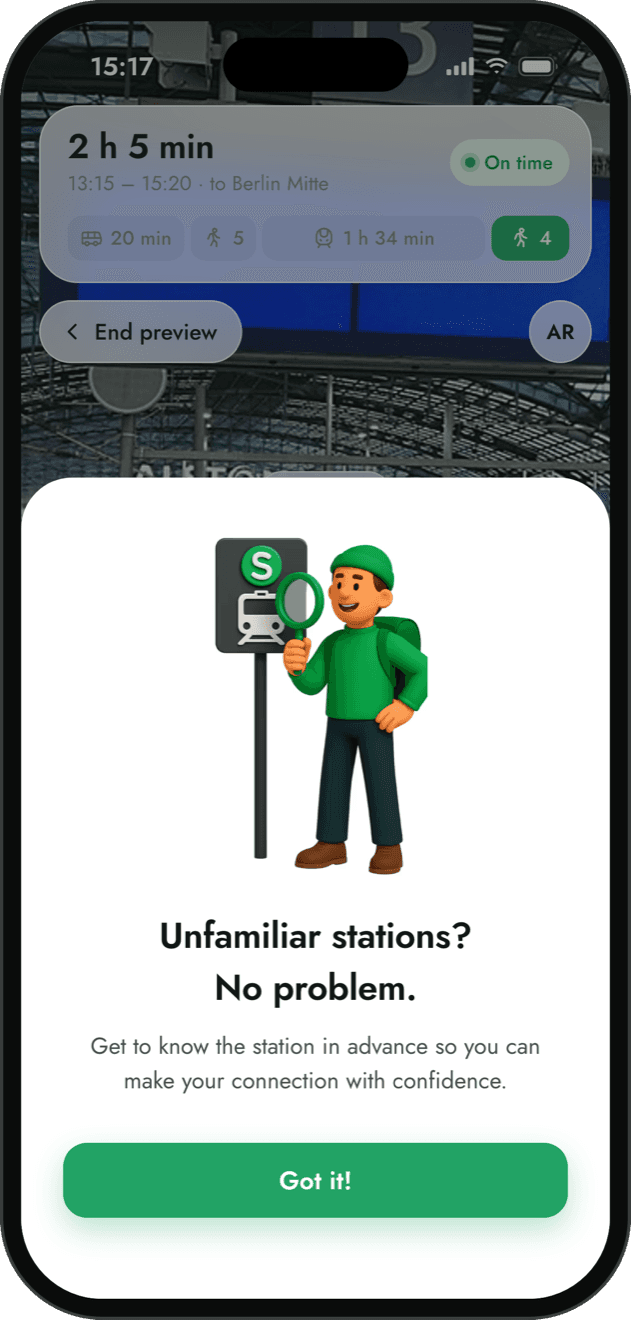
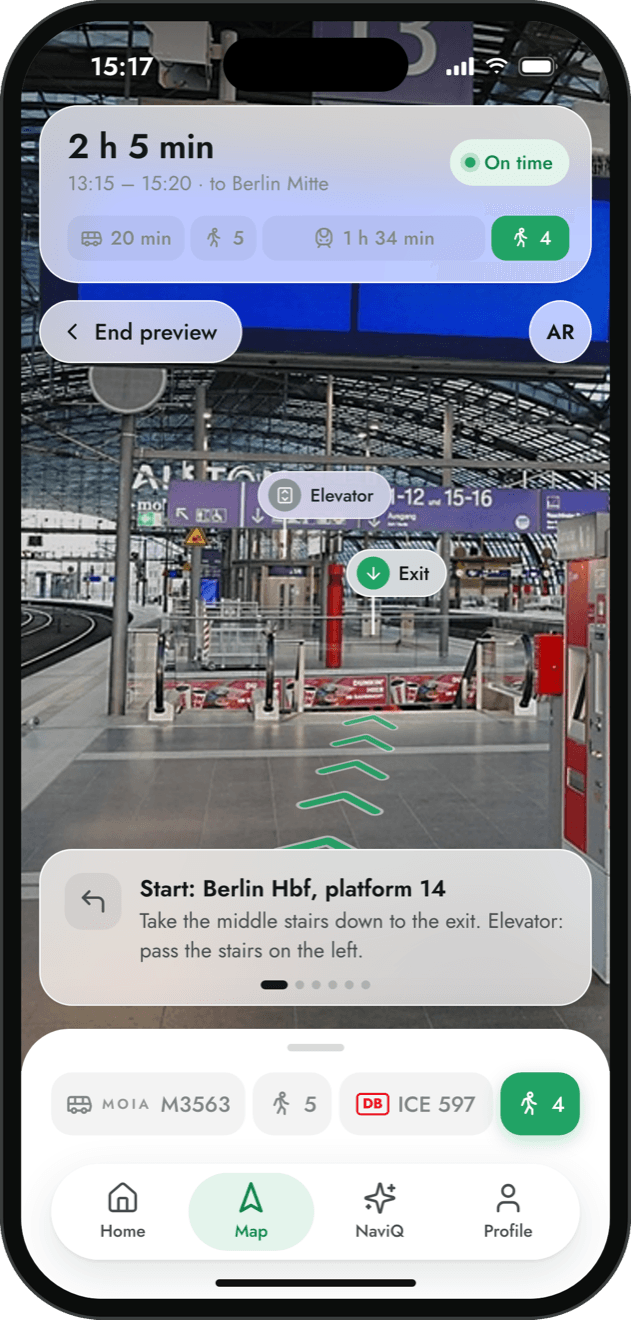
A virtual preview of the station and live wayfinding make every transfer safe and stress-free.